
Direct-to-Film (DTF) printing has revolutionised the custom apparel and promotional products industry, offering vibrant prints on a wide range of materials. However, as more people enter the market, a common pitfall emerges: opting for a cheap, desktop DTF printer as an entry point.
It’s understandable. These printers promise affordability, convenience, and the ability to print on demand. You might think, Why pay for transfers when I can print them myself? But as many business owners have learned the hard way, these printers often fail to deliver—leaving users frustrated, out of pocket, and in need of a better solution.
Based on industry experience and countless testimonials, including a detailed video review that has resonated with thousands of DTF users, we want to help you avoid the same mistakes. Here’s why cheap DTF printers are a money pit, and what you should consider instead.
Many new users start with converted desktop inkjet printers like the Epson L1800 or 1390, often sourced from Alibaba or resellers claiming they’re a “great way to start DTF printing.” Unfortunately, the reality is different:
Many of these printers fail within weeks or months. Some users report getting as few as 16 prints before experiencing catastrophic failures.
Motherboard issues, clogged print heads, and other hardware failures are common, even with diligent maintenance.
When something breaks, replacement parts are often hard to find, expensive, and require technical skill to install.
Even when working, these machines can produce poor-quality transfers, leading to flaking, fading, and unhappy customers.
One reviewer shared their experience:
"I see so many people... looking for converting a desktop... I get it... you wanted it at your convenience... But when I tell you there is a major difference... I was blinded by it... I was dead set on offering that... Mine, I think possibly sixteen prints... the whole motherboard blew."
Simply put, these printers are not designed for DTF printing, and forcing them to work in this capacity often results in frustration and wasted money.
At first glance, a cheap DTF printer might seem like a bargain, but when you factor in ongoing maintenance, replacement parts, and lost business, the costs escalate quickly.
These printers require daily cleaning and printing to prevent clogs. If you take a day off, you risk ruining the print head—one of the most expensive components to replace.
If you’re looking to produce transfers efficiently, desktop DTF printers simply won’t keep up. Many run painfully slow, meaning you spend more time waiting and troubleshooting than printing.
When your printer breaks down or produces unreliable prints, it damages your reputation. Unhappy customers won’t return, and you’ll have to reprint jobs or issue refunds, cutting into your profits.
Even if you manage to keep one of these printers running, you’ll quickly find yourself limited in terms of print size, volume, and overall efficiency.
Another user pointed out the challenges of maintenance:
"If you don't print with them multiple times per day, they'll also print misaligned, etc. Which means you're doing cleaning and maintenance every time you want to print."
For a business that wants to grow and remain competitive, a cheap printer is a step in the wrong direction.
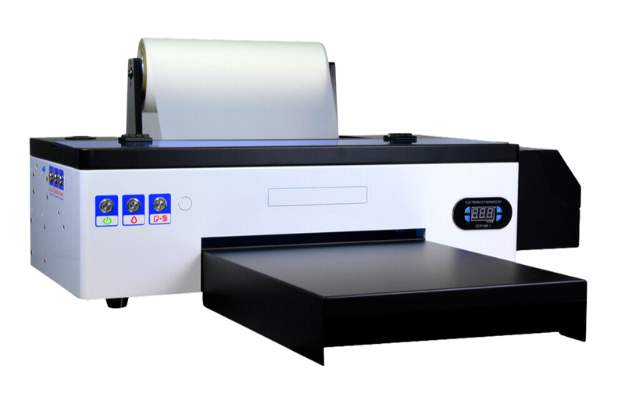
There’s a reason commercial DTF printers are built with ventilation systems, proper ink circulation, and industrial-grade components.
They’re designed to handle the demands of real business use. Cheap desktop conversions, on the other hand, lack the features needed to function reliably.
Some of the biggest issues include:
Inadequate ink circulation, leading to clogged print heads.
Poor build quality, causing frequent breakdowns.
No real support, meaning when things go wrong, you’re on your own.
No ventilation, leading to health hazards from fumes and improper ink drying.
These are not minor inconveniences—they’re the reason so many users end up regretting their purchase and ultimately abandon these machines.
If you’re serious about DTF printing, you have two smart options:
Many people enter the DTF market with enthusiasm, only to be disappointed by cheap printers that overpromise and underdeliver. If you’re considering a desktop DTF printer, take a moment to rethink. Is the frustration, wasted money, and inevitable breakdown worth it?
Instead of throwing away £1,500 – £3,000 on a printer that won’t last, consider putting that money toward a commercial-grade machine or buying high-quality transfers until you’re ready to scale up.
At YES Group, we help businesses succeed by providing professional-grade DTF printing solutions that actually work. If you’re ready to move past the headaches of unreliable printers, we’re here to help.
Want to learn more about commercial DTF printing? Click here to explore our range of professional DTF printers.