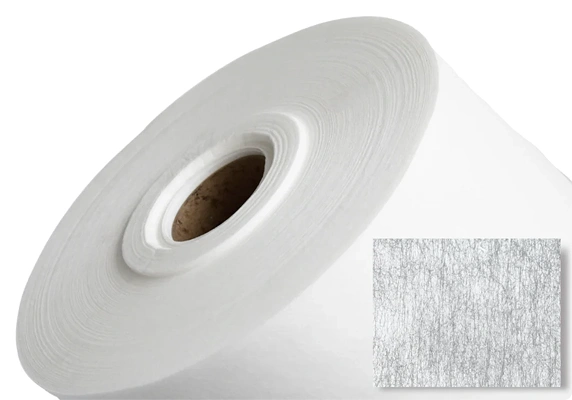
Embroidery stabilizers do not usually get the spotlight, but they have a huge influence on how clean, stable, and professional the finished result looks. The right backing can help provide the perfect results both during stitching and long after the garment leaves the hoop. The wrong choice can cost time, effort and clients.
For many embroidery businesses, stabilizer choice is one of the easiest places to improve output without changing machine or workflow. It is also an area where small changes can make a visible difference. That is why understanding embroidery backings and toppings matters just as much as choosing the right thread or needle for the job.
Embroidery stabilizers are easy to overlook because they sit behind the design rather than at the front of it. Yet they do some of the most important work in the whole process. A good stabilizer helps hold the fabric steady during stitching, supports cleaner registration, reduces distortion, and helps the finished embroidery keep its shape once the garment is worn and washed.
That matters whether you are producing a few personalised items or running larger commercial orders every day. In both cases, better stabilizer choices can mean fewer production issues, sharper embroidery, and more confidence in the finished result. It is one of the simplest ways to improve quality without changing the artwork or the machine.
One of the biggest mistakes in embroidery is choosing backing by habit rather than by fabric. In practice, the garment should lead the decision. Fabric stretch, surface texture, garment stability, stitch density, and the size of the design all affect how much support is needed.
Stretch fabrics usually need more lasting support because they move during stitching and continue to move in wear. Stable woven fabrics often need less. Textured fabrics can need a topping as well as a backing, so the stitches do not disappear into the surface. Even garments that look similar can behave very differently, which is why backing choice often becomes more accurate when you think about structure first and weight second.
It is also worth remembering that not every embroidery issue is caused by the backing alone. Hooping, fabric tension, design density, and needle choice all play a role. But stabilizer is one of the key decisions that gives the rest of the process a far better chance of succeeding.
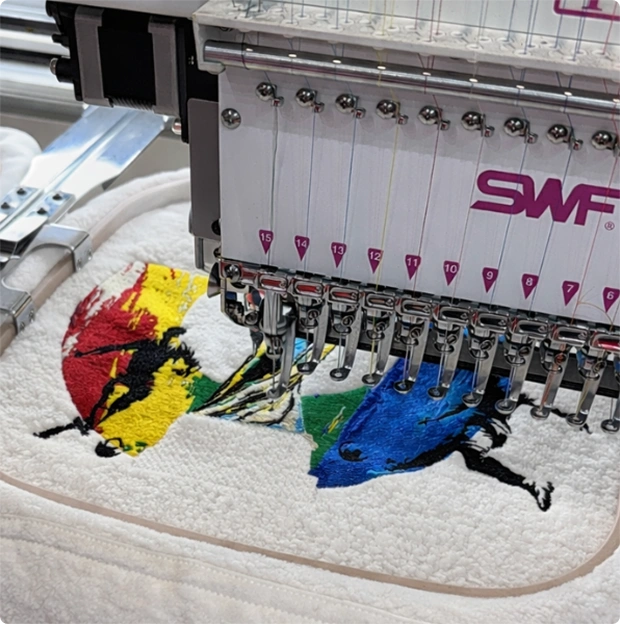
Cut-away backing is usually the safest option when the garment needs lasting support after embroidery is complete. Instead of being removed fully, the excess is trimmed away and the rest stays behind the design. That makes it especially useful on garments that stretch, flex, or see regular wear and washing.
This is why cut-away is such a strong fit for polos, T-shirts, sweatshirts, performance wear, fleece, and other fabrics that can move under the needle. A dependable 80gsm cut-away backing gives a design the support it needs without making the finished garment feel overly heavy, which is why many embroiderers keep an 80gsm cut-away backing close to hand for everyday garment work.
For businesses producing branded apparel, workwear, schoolwear, or sportswear, this is often the backing that protects long-term appearance. It helps reduce puckering, limits distortion, and gives the stitches a more stable base from the first run through to repeat washes later on.
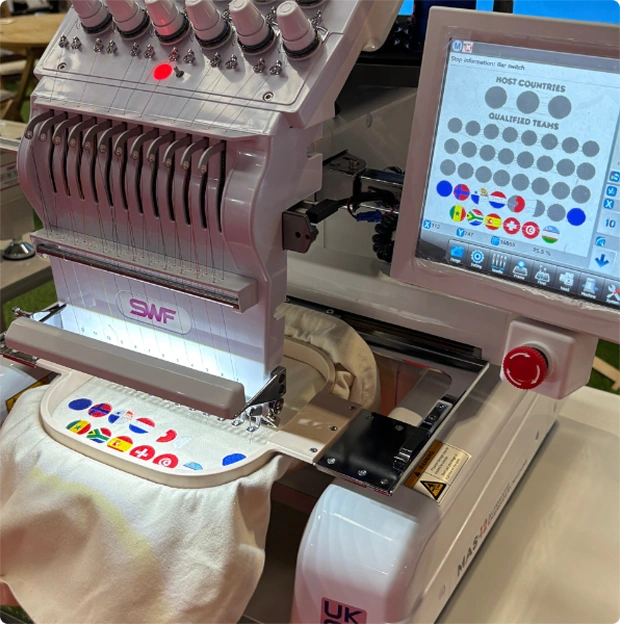
Tear-away backing is useful when you want support during embroidery but do not need the backing to remain behind the design afterwards. Once the embroidery is finished, the excess can be torn away cleanly, which makes it attractive for stable fabrics and jobs where a neater reverse is preferred.
That can make tear-away a practical choice for aprons, towels, bags, linens, caps, and other firmer materials that do not need as much ongoing support. A lightweight 40gsm tear-away backing can be especially useful when you want clean removal, quicker finishing, and a less bulky feel. It is also a helpful production option for busy shops because tear-away can speed up finishing on larger runs.
In some cases, embroiderers also combine tear-away with another stabilizer to gain temporary extra support during stitching without adding unnecessary bulk to the finished item. That kind of flexibility is one reason many teams keep more than one backing type on the shelf rather than trying to force every job through the same setup.
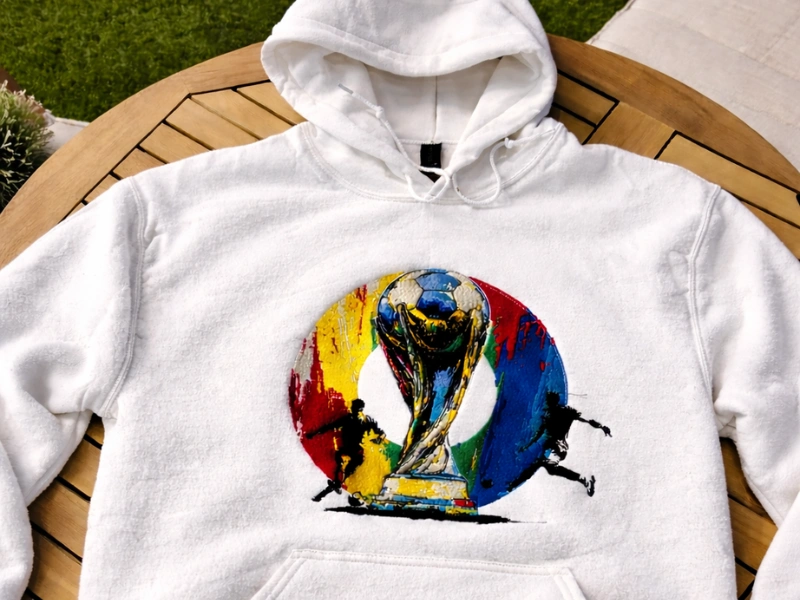
Not every embroidery problem starts underneath the garment. On towels, knitwear, piqué polos, and other raised or textured materials, stitches can sink into the surface and lose their sharpness. When that happens, even a well-digitised design can start to look softer and less defined than expected.
This is where a water-soluble topping earns its place. Laid over the surface before embroidery, it helps keep stitches sitting cleanly on top of the fabric rather than disappearing into the pile. A lightweight water-soluble topping is especially useful when you want lettering and detail to stay crisp on fabrics that naturally swallow fine stitch work.
For many embroiderers, this is one of the simplest upgrades they can make to day-to-day quality. Towels, bathrobes, knitted items, and piqué polos can all benefit from the extra surface support, and once the job is done the topping can be washed away cleanly.
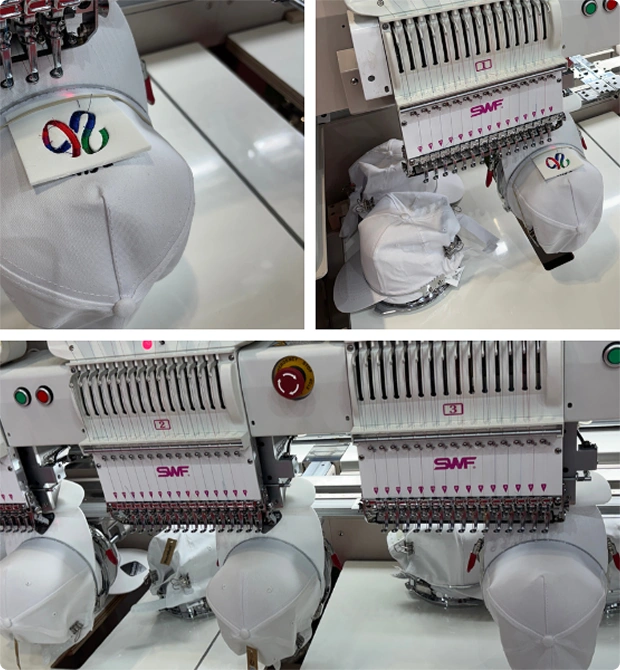
Some embroidery jobs ask more from the stabilizer than a standard chest logo on a stable garment. Caps are a good example. The shape is tighter, the embroidery area is smaller, and the structure of the item means the backing needs to support the job without fighting the placement. In that situation, dedicated cap backing can make the process more controlled and help the finished embroidery hold its shape more cleanly.
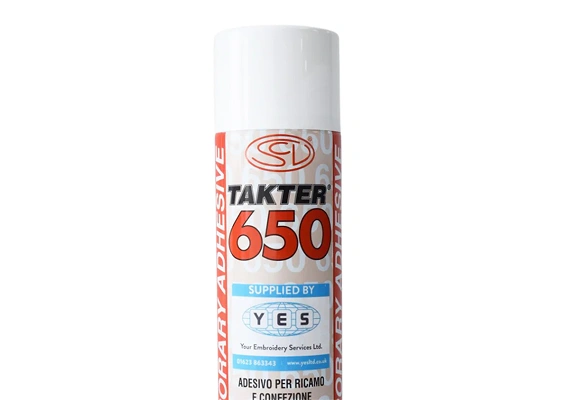
There are also times when the challenge is not just the garment itself, but how to keep materials secure while the machine is working. Small pieces, awkward placements, appliqué components, or fabrics that are prone to shifting can all benefit from a temporary adhesive used alongside the right backing. A good temporary adhesive can help hold the setup in place without turning the process into a struggle.
That combination of backing, topping, and production aids is often what separates a workable result from a reliable workflow. It is also why experienced embroiderers tend to build a practical range of consumables around the kinds of jobs they actually run, rather than relying on one backing to do everything.
A strong embroidery setup does not need to be complicated, but it does need to be realistic. If most of your work is on polos, T-shirts, knitwear, and performance garments, cut-away will usually do much of the heavy lifting. If your order book leans towards towels, aprons, bags, caps, or linen-style items, tear-away and topping may play a bigger role. If caps are a regular part of the mix, a dedicated cap backing can save time and improve consistency.
For many businesses, a sensible core stock starts with a reliable cut-away, a lighter tear-away, a water-soluble topping for textured fabrics, and supporting items that help on more awkward jobs. That gives you enough flexibility to match the stabilizer to the garment rather than compromising the garment to suit the stabilizer.
It is also a more commercially sensible way to work. Better backing choices can reduce spoilage, improve consistency, shorten finishing time, and help good digitising show up properly on the garment. Over time, those gains matter just as much as the cost of the roll itself.
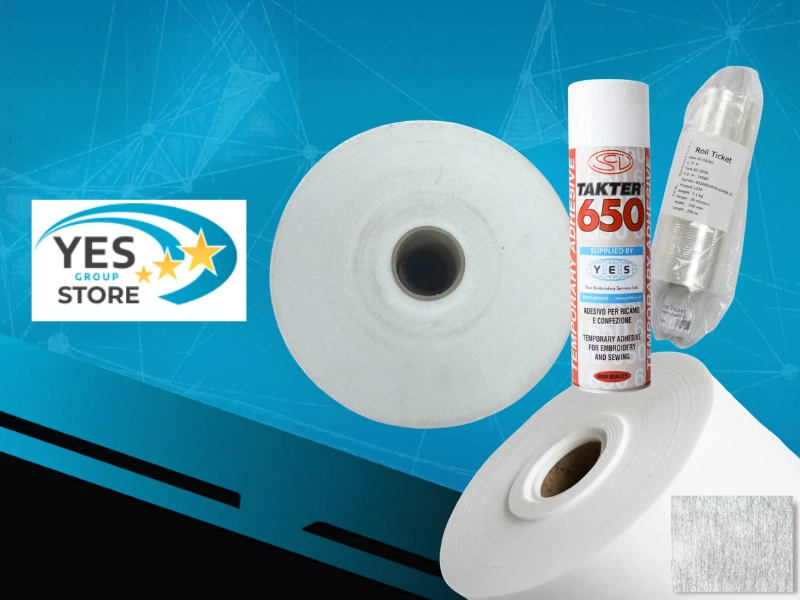
Embroidery stabilizers are not the glamorous part of production, but they are one of the most influential. Choosing the right backing or topping can improve stitch quality, reduce rework, protect garment appearance, and make the whole process more predictable.
If you are reviewing your setup, it makes sense to look at embroidery consumables with the same care you give to thread, needles, and blank selection. A practical range of cut-away, tear-away, water-soluble topping, and specialist options such as cap backing can give you a much stronger foundation for everyday embroidery work and help you get more from every job that goes through the hoop.
Need help choosing the right embroidery backing?
Explore the YES Store range of embroidery backings and toppings or speak to the team if you want help matching stabilizers to the garments and jobs you run most often.
Call us on 01623 863343 or email us at sales@yesltd.co.uk
Embroidery stabilizers are not the glamorous part of production, but they are one of the most influential. Choosing the right backing or topping can improve stitch quality, reduce rework, protect garment appearance, and make the whole process more predictable.
If you are reviewing your setup, it makes sense to look at embroidery consumables with the same care you give to thread, needles, and blank selection. A practical range of cut-away, tear-away, water-soluble topping, and specialist options such as cap backing can give you a much stronger foundation for everyday embroidery work and help you get more from every job that goes through the hoop.
Need help choosing the right embroidery backing?
Explore the YES Store range of embroidery backings and toppings or speak to the team if you want help matching stabilizers to the garments and jobs you run most often.
Call us on 01623 863343 or email us at sales@yesltd.co.uk