Attention: Our phone systems are currently down. We apologize for any inconvenience this may cause.
SWF embroidery machine guide banner

How UK Embroidery Businesses Choose the Right SWF Machine

Opening Context 

For UK embroidery businesses exploring machine options, SWF machines often surface early in the research process. They are known for versatility and a strong track record in multi-head production. 

Choosing the right SWF machine involves more than comparing models. It requires understanding how specific configurations align with the type of work being done, the size of the business, and the staffing available to operate the equipment. 

This guide outlines the key considerations buyers typically use when shortlisting or selecting an SWF embroidery machine in the UK

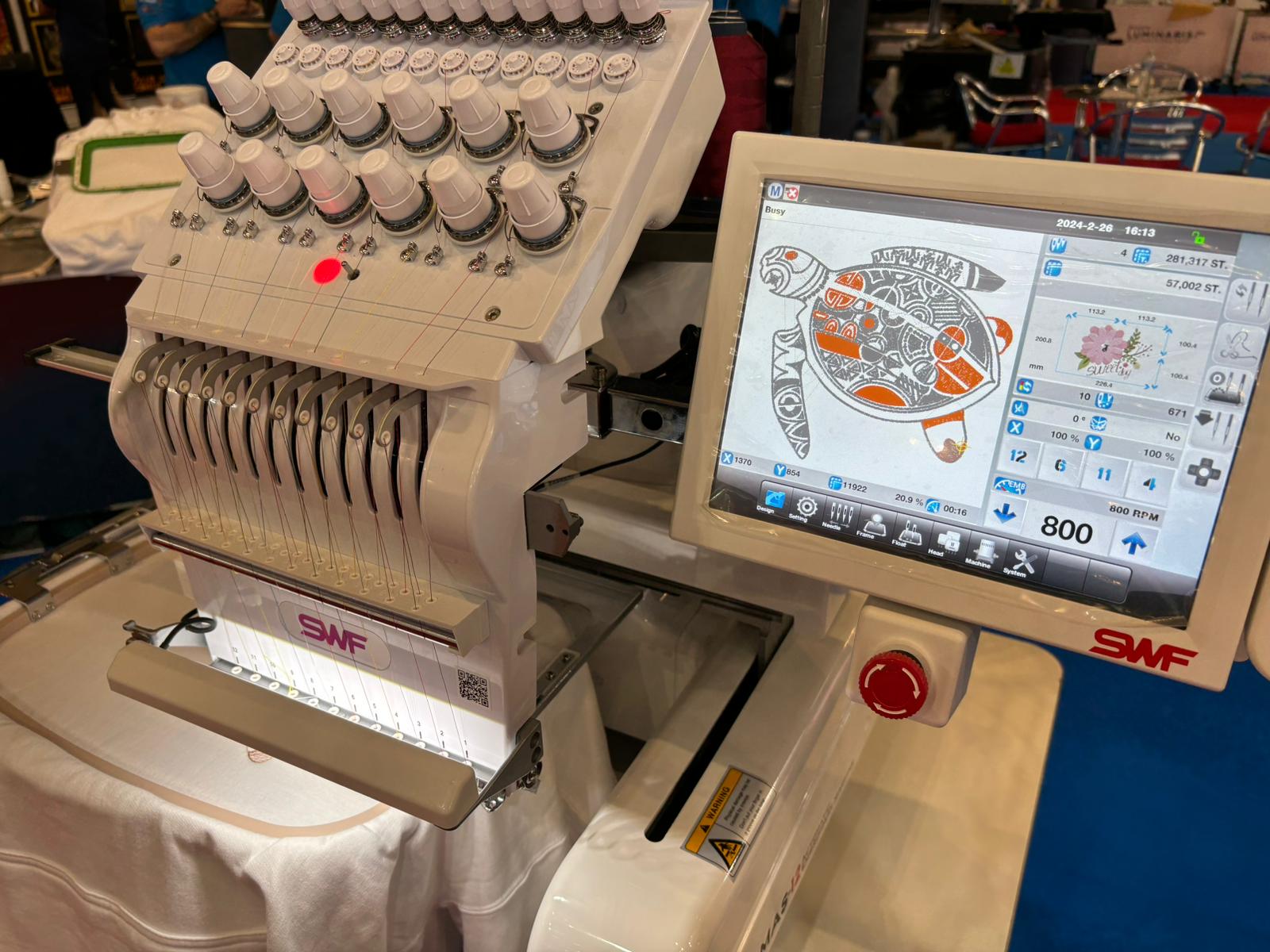
Dual‑function 2 head SWF embroidery machine in production

What Buyers Typically Compare 

When narrowing down SWF embroidery machine options, UK buyers usually begin by comparing the number of heads, hooping systems, and machine dimensions. 

Other common points of comparison include single-head versus multi-head models, automatic versus manual thread trimming, cylinder arm capabilities, and design transfer methods such as USB or network connection. 

Buyers also assess output speed (stitches per minute), machine footprint, and whether the machine includes a touchscreen control panel. 

Price tends to be assessed later, once the machine’s suitability for production needs is clear. 

Where This Category Fits in Real Production Workflows

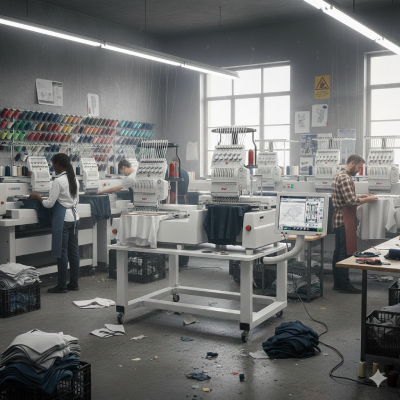
SWF embroidery machines are commonly used in UK print and embroidery businesses where mid- to high-volume orders require scalable output. 

In single-head configurations, SWF machines are often used for sampling, personalisation, or onsite demonstrations. Multi-head setups are typically integrated into continuous production lines for workwear, sportswear, and branded garments. 

Machines are usually placed alongside digitising stations and garment prep areas, and may be linked to production software or barcode scanning systems to reduce manual input. 

The choice of machine directly affects job turnaround times and operator scheduling. 

Common Buying Mistakes 

One of the most frequent mistakes is selecting an SWF machine based solely on price or number of heads, without understanding the production impact of setup time, hoop changes, or job type suitability. 

Some UK buyers underestimate the space required for multi-head models or fail to account for future scalability. 

Others assume that all SWF models offer the same functionality, or overlook training and support requirements. 

Choosing a machine with features that are either excessive or inadequate for the current workload is also a recurring issue. 

UK-Specific Considerations 

Space 

Available workspace often restricts machine size, especially in city-based units or shared premises. Buyers should measure for machine width, access clearance, and maintenance space. 

Power 

Power requirements vary by model. Some multi-head units need dedicated electrical circuits. 

Staffing 

Single-head machines may be operated by one person. Multi-head units may require multiple operators or at least one trained supervisor. 

Support 

Support and training access within the UK is a priority for many buyers, who value reliable response times and parts availability. 

Warranty 

Warranty terms should be checked for UK applicability, including whether call-out coverage is included and the duration of cover. 

Category or Configuration Breakdown

The SWF embroidery machine range includes both single-head and multi-head models. Buyers typically assess configurations based on the following considerations: 

Machines may also be differentiated by intended use case, such as compact models for mobile setups or high-output machines for large-scale contract embroidery. 

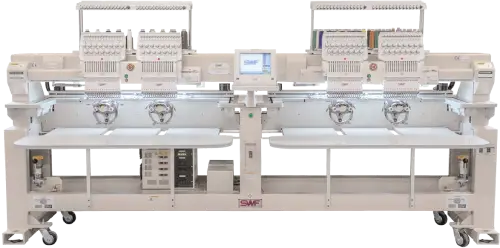
SWF K‑UH1504D embroidery machine

Notable Differentiators 

One notable differentiator in the SWF range is dual function (D-series) technology, which allows two different jobs to run simultaneously on different machine heads. This is distinct from standard multi-head models, which must run identical jobs across all heads. 

Certain models also feature onboard design memory and network-ready control systems, which can reduce downtime between jobs. 

SWF machines tend to offer a lower noise profile compared to some equivalents, which may be relevant for shared or retail spaces.

[FLAG: confirm D-series feature availability in UK models] 

FAQs 

See Alan's Story here:

Garment stitched with SWF multihead embroidery machine

Internal Navigation and Next Steps 

For further comparison, UK buyers typically explore specific SWF machine categories based on business type, available space, and output requirements. 

This includes reviewing side-by-side specifications of single-head and multi-head units, as well as accessory options for cap and tubular work. 

Navigating to model-specific pages helps clarify exact features, size, and support arrangements.